
Health and Safety During a Heat Wave: Protecting Your Workforce in Hot Weather
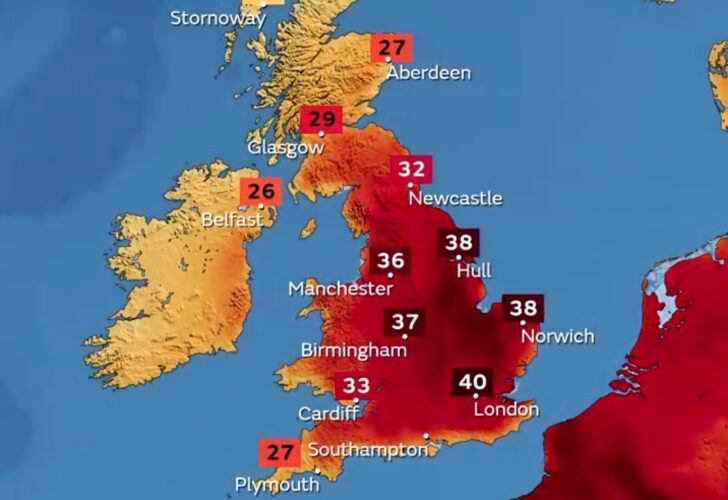
With the current heat wave affecting much of the UK, employers need to think beyond simply keeping staff comfortable and instead focus on protecting their health, safety and wellbeing.
While many people welcome the sunshine, prolonged periods of high temperatures can introduce significant workplace hazards that affect productivity, increase the likelihood of accidents and place employees at risk of serious heat-related illnesses.
Whether your workforce operates outdoors on construction sites, works within factories, warehouses and commercial kitchens, or occupies offices that become uncomfortably warm during the summer months, extreme temperatures should never be underestimated. High temperatures can quickly turn routine working conditions into environments where fatigue, dehydration and reduced concentration begin to impact performance and safety.
Under UK health and safety legislation, employers have a legal duty to protect employees from foreseeable risks, including those created by extreme weather. Although there is currently no maximum legal working temperature in the UK, employers are expected to carry out suitable risk assessments and implement practical measures to reduce the dangers associated with excessive heat.
At SAMS, our experienced Health & Safety Consultancy team helps businesses identify workplace hazards, develop practical control measures and create safer working environments throughout the year. During periods of hot weather, proactive planning and sensible precautions can make all the difference in protecting your workforce while maintaining productivity.
Why Heat Waves Present a Workplace Health and Safety Risk
Many people associate hot weather with holidays, outdoor activities and relaxation. However, in the workplace, prolonged periods of high temperatures can create a wide range of health and safety concerns that employers should take seriously.
The human body works hard to regulate its internal temperature. During a heat wave, this natural cooling system is placed under increased strain, particularly when employees are carrying out physical work or spending long periods in direct sunlight.
As body temperatures rise, employees may begin to experience dehydration, headaches, dizziness, fatigue, muscle cramps and reduced concentration. These symptoms can quickly affect decision-making, reaction times and coordination, significantly increasing the likelihood of workplace accidents.
Heat-related fatigue also affects mental performance. Employees may become less alert, more easily distracted and slower to react to hazards around them. In environments where heavy machinery, vehicles, electrical equipment or hazardous materials are present, even a momentary lapse in concentration can have serious consequences.
Outdoor workers, including construction teams, landscapers, highways operatives and utility engineers, are naturally at greater risk because they spend prolonged periods exposed to direct sunlight. However, indoor workers are by no means immune. Warehouses, factories, manufacturing facilities, commercial kitchens and poorly ventilated office buildings can all become extremely hot during periods of sustained warm weather.
Businesses should therefore treat extreme heat as any other workplace hazard and take appropriate action to reduce risks before employees become unwell.
Carry Out a Heat Risk Assessment
Every workplace is different, which means every organisation should consider how high temperatures could affect its employees and operations.
A comprehensive heat risk assessment should identify where excessive temperatures may create hazards, who may be affected and what control measures can be introduced to reduce those risks.
When carrying out a heat-specific risk assessment, employers should consider a range of factors, including the type of work being undertaken, the physical demands placed upon employees, indoor and outdoor temperatures, levels of humidity, ventilation, available shade and access to drinking water.
The assessment should also identify employees who may be particularly vulnerable to heat, including pregnant workers, older employees, individuals with underlying medical conditions and those taking medication that affects their ability to regulate body temperature.
It is equally important to consider the equipment employees use. Heavy PPE, protective clothing, respiratory equipment and machinery that generates additional heat can all increase the likelihood of heat stress.
Risk assessments should never be viewed as one-off exercises. As weather conditions change throughout the day, employers should review working practices and update control measures where necessary. Dynamic risk assessment is particularly important during prolonged heat waves when conditions can deteriorate quickly.
Encourage Hydration Throughout the Working Day
Hydration is one of the simplest yet most effective ways to protect employees during hot weather.
Even mild dehydration can reduce concentration, physical performance and cognitive function. Workers may become tired more quickly, make more mistakes and struggle to maintain normal productivity.
Employers should ensure that cool drinking water is easily accessible throughout the workplace and actively encourage staff to drink regularly, rather than waiting until they feel thirsty.
Outdoor workers and employees carrying out physically demanding activities may require considerably more fluids than office-based staff. Supervisors should monitor workers throughout the day and encourage regular hydration breaks, particularly during periods of intense heat.
Employers may also wish to provide refill stations, encourage workers to carry reusable water bottles and remind employees that drinks containing excessive caffeine or alcohol outside working hours may contribute to dehydration.
Maintaining good hydration helps improve concentration, reduces fatigue and lowers the risk of serious heat-related illnesses developing.
Adjust Working Patterns Where Possible
One of the most practical ways to reduce heat exposure is by adapting working patterns during periods of extreme weather.
Where operationally possible, employers should consider starting outdoor work earlier in the morning when temperatures are lower and reducing physically demanding activities during the hottest part of the afternoon.
Tasks involving heavy lifting, manual handling or prolonged physical exertion can often be rescheduled to cooler periods of the day without significantly affecting productivity.
Job rotation can also help reduce prolonged exposure to heat by allowing employees to alternate between hotter and cooler environments throughout the working day.
Increasing the frequency of rest breaks allows employees time to cool down, rehydrate and recover before continuing work safely.
Flexible working arrangements may also benefit office-based staff where buildings become excessively warm, particularly where remote working is a viable option.
Simple changes to daily routines can have a significant impact on employee wellbeing while maintaining operational efficiency.
Provide Shade, Ventilation and Cooling
Employers should take every reasonable step to reduce workplace temperatures wherever practical.
Outdoor workers should have access to shaded rest areas where they can cool down during breaks and avoid prolonged exposure to direct sunlight.
For indoor workplaces, improving ventilation can make a considerable difference. Opening windows, using fans, operating air conditioning systems effectively and reducing unnecessary heat generated by equipment can all help create a more comfortable working environment.
Where buildings have large south-facing windows, blinds or curtains can reduce solar heat gain during the hottest parts of the day.
Temporary cooling measures may also be appropriate in particularly hot working environments, especially where high temperatures are expected to continue for several consecutive days.
Although these measures may appear relatively simple, together they can significantly reduce employee discomfort and improve workplace safety.
Review PPE Requirements
Personal Protective Equipment remains essential for many workplaces, but employers should recognise that PPE can contribute to heat stress.
Hard hats, high-visibility clothing, protective gloves, safety boots, respiratory equipment and chemical protection suits can all reduce the body’s ability to cool itself naturally.
During periods of hot weather, employers should review whether existing PPE remains appropriate while ensuring that legal safety requirements continue to be met.
Where suitable alternatives exist, lighter or more breathable protective clothing may help reduce heat build-up without compromising protection.
Employees should also receive guidance on recognising the additional effects PPE may have during hot weather and be encouraged to take regular breaks where necessary.
Finding the right balance between protection and comfort is an important part of effective workplace health and safety management.
Train Employees to Recognise Heat-Related Illness
Education plays a vital role in preventing serious heat-related incidents.
Employees should understand not only how to protect themselves during hot weather but also how to recognise the early warning signs of heat-related illness in themselves and their colleagues.
Training should include information about dehydration, heat cramps, heat exhaustion and heatstroke, together with the symptoms associated with each condition.
Workers should know when to stop work, seek assistance and contact emergency services where necessary.
Managers and supervisors should receive additional training to help them recognise behavioural changes, reduced concentration and physical symptoms that may indicate an employee is becoming unwell.
Creating an open culture where employees feel comfortable reporting symptoms early can prevent minor issues from escalating into medical emergencies.
Look After Vulnerable Workers
Not every employee experiences hot weather in the same way.
Certain groups are naturally more susceptible to heat-related illness and may require additional support during periods of extreme temperatures.
Older workers, pregnant employees, those with cardiovascular conditions, respiratory illnesses or diabetes, and individuals taking medication that affects temperature regulation may all be at increased risk.
Employers should speak openly with affected employees and consider whether temporary adjustments to duties, working hours or working locations may be appropriate.
Supporting vulnerable workers demonstrates a genuine commitment to employee wellbeing while helping organisations meet their legal responsibilities under equality and health and safety legislation.
Don’t Forget Mental Wellbeing
Heat waves affect more than physical health.
Extended periods of hot weather can leave employees feeling irritable, fatigued and mentally exhausted. Sleep quality often declines during heat waves, meaning workers may arrive at work already tired before their shift has even begun.
Reduced concentration, frustration and increased stress levels can all contribute to poor decision-making and communication problems, particularly within busy or high-pressure working environments.
Managers should remain alert to changes in employee behaviour and encourage open conversations about wellbeing throughout periods of extreme weather.
Supporting mental wellbeing is just as important as protecting physical health, particularly where teamwork, concentration and communication are essential for maintaining workplace safety.
A Proactive Approach to Health and Safety
Climate experts predict that heat waves are likely to become more frequent across the UK in the coming years.
Rather than viewing extreme heat as an occasional inconvenience, organisations should begin incorporating hot weather planning into their wider health and safety management systems.
Businesses that proactively review risk assessments, prepare emergency procedures and educate employees are far better placed to manage periods of extreme weather safely.
Forward planning not only helps reduce workplace accidents but also demonstrates a strong commitment to employee welfare, legal compliance and responsible business management.
Taking action before problems arise is always more effective than reacting after incidents occur.
How SAMS Can Help
At SAMS, we work with businesses across Kent and the UK to create safer workplaces through practical, professional Health & Safety Consultancy services.
Our experienced consultants help organisations identify workplace risks, develop effective policies, improve compliance and build positive health and safety cultures.
Our services include comprehensive workplace risk assessments, health and safety audits, policy development, management systems, employee training, accident investigations and ongoing consultancy support tailored to your organisation.
Whether you’re reviewing workplace arrangements during the current heat wave or strengthening your overall health and safety management, our consultants provide practical advice that supports both compliance and employee wellbeing.
By working closely with your business, we help create safer workplaces that remain resilient whatever the weather.
Learn more about our Health & Safety Consultancy services:
https://www.samsltd.co.uk/consultancy/health-safety-consultancy/
Keeping Your Workforce Safe This Summer
Extreme weather may be outside anyone’s control, but how businesses prepare for it certainly isn’t.
Employers who take proactive steps to manage heat-related risks demonstrate genuine care for their employees while reducing accidents, improving productivity and maintaining legal compliance.
Simple measures such as reviewing risk assessments, encouraging hydration, adjusting working patterns and providing appropriate training can have a significant impact on workplace safety during periods of high temperatures.
As the UK continues to experience hotter summers, preparing for heat waves should become a routine part of every organisation’s health and safety strategy.
By planning ahead and seeking expert guidance where required, businesses can ensure their workforce remains safe, healthy and productive throughout the summer months—and whatever challenges the weather may bring.