
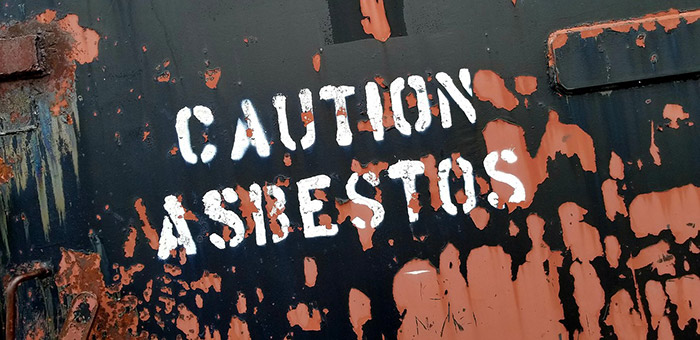
The Dangers of Fly-Tipped Asbestos
Fly-tipping occurs when waste is illegally dumped rather than being disposed of through authorised waste management channels.
When asbestos-containing materials (ACMs) are involved, the risks become significantly greater, creating serious health, environmental and financial consequences for individuals, businesses and local communities.
Common examples of fly-tipped asbestos include:
- Asbestos cement roofing sheets
- Garage and shed panels
- Pipe insulation
- Textured coatings and debris from refurbishment projects
- Broken asbestos-containing building materials
Although some asbestos-containing materials may appear relatively harmless when left intact, they can become highly dangerous when damaged, broken or disturbed. During illegal transportation, handling or dumping, asbestos materials are often cracked, smashed or left exposed to the elements, increasing the risk of hazardous fibres being released into the surrounding environment.
Given that asbestos was widely used throughout UK construction for decades, and bans on many asbestos products date back as far as 1985, vast quantities of asbestos-containing materials still exist in older buildings. As these buildings continue to be refurbished, repaired or demolished, improperly managed waste can contribute to the growing problem of asbestos fly-tipping. Some industry experts believe that fly-tipped asbestos may be one of the most overlooked causes of accidental asbestos exposure today.
Why Fly-Tipped Asbestos Is So Dangerous
The greatest danger from asbestos occurs when microscopic fibres become airborne and are inhaled. These fibres are invisible to the naked eye and can remain suspended in the air for long periods before settling onto surrounding surfaces.
Once inhaled, asbestos fibres can become lodged deep within the lungs, where the body is unable to break them down effectively. Over time, this can lead to serious and often fatal illnesses.
Exposure to asbestos fibres has been linked to several life-threatening diseases, including:
- Mesothelioma
- Asbestosis
- Lung cancer
- Pleural thickening
One of the most concerning aspects of asbestos-related disease is its long latency period. Symptoms often do not appear until 20, 30 or even 40 years after exposure. As a result, individuals may be completely unaware that they have inhaled asbestos fibres until serious health problems develop decades later.
This is why asbestos awareness training remains so important. Understanding where asbestos may be present, recognising suspect materials and knowing how to avoid disturbing them are critical skills for anyone working in construction, maintenance, refurbishment or property management.
Through effective training asbestos awareness, workers can significantly reduce the risk of accidental exposure and help protect both themselves and others.
The Impact on Communities and Businesses
When asbestos is fly-tipped, the consequences extend far beyond the individual responsible for illegally dumping the waste.
Public Health Risks
Fly-tipped asbestos creates potential exposure risks for a wide range of people. Members of the public, maintenance workers, grounds staff, farmers, landowners, contractors and local authority employees may unknowingly come into contact with contaminated materials.
In many cases, well-meaning individuals attempt to move or clear the waste themselves without understanding the dangers involved. Disturbing asbestos-containing materials can release fibres into the air, increasing the risk of exposure not only for the person handling the waste but also for anyone nearby.
Even the individuals carrying out the illegal dumping may place themselves at significant risk through improper handling and transportation of asbestos materials.
This highlights the importance of asbestos awareness training courses and ensuring that workers understand how to identify and respond to suspect materials safely.
Environmental Damage
Illegal asbestos dumping frequently occurs in rural areas, lay-bys, industrial estates, woodland, agricultural land and other isolated locations.
Once contamination occurs, specialist surveys may be required to determine the extent of the risk. In some situations, air monitoring, soil sampling and licensed asbestos removal operations are necessary before the area can be declared safe.
These incidents can cause long-term disruption to local communities while also damaging natural habitats and public spaces.
Understanding environmental asbestos risks is often covered within broader asbestos management training courses, helping organisations recognise their responsibilities when dealing with asbestos-containing materials.
Financial Costs
The financial impact of asbestos fly-tipping can be substantial.
Private landowners are often left facing expensive clean-up bills through no fault of their own. Local authorities must also allocate significant resources to investigating reports, securing affected areas and arranging specialist removal and disposal.
The costs associated with asbestos surveys, licensed waste carriers and disposal facilities can quickly escalate into thousands of pounds.
For businesses, failure to manage asbestos correctly can also result in legal penalties, reputational damage and potential enforcement action.
Why Fly-Tipping Happens
In many cases, asbestos fly-tipping occurs because individuals do not fully understand the legal requirements surrounding asbestos removal, transportation and disposal.
Some people mistakenly believe that asbestos-containing materials can be treated like general building waste. Others are unaware that certain materials require specialist handling and disposal by licensed contractors.
Unfortunately, some individuals knowingly avoid disposal costs by illegally abandoning asbestos waste in remote locations.
However, a lack of awareness remains one of the biggest contributing factors.
Tradespeople, maintenance personnel, contractors and property professionals frequently encounter older buildings where asbestos may still be present. Without appropriate asbestos training or asbestos awareness training online, they may fail to recognise asbestos-containing materials before disturbing them.
This is particularly important because asbestos remains present in millions of UK buildings constructed or refurbished before the year 2000.
Providing workers with appropriate asbestos worker training and awareness education can help reduce the likelihood of asbestos being mishandled or disposed of incorrectly.
Awareness Is the First Line of Defence
The most effective way to reduce accidental asbestos exposure is through education.
High-quality asbestos awareness training gives workers the knowledge and confidence needed to identify potential asbestos risks and respond appropriately.
A recognised asbestos awareness training course helps individuals:
- Understand what asbestos is and why it remains dangerous today
- Recognise common asbestos-containing materials found in buildings
- Identify locations where asbestos may be present
- Understand legal responsibilities relating to asbestos
- Follow appropriate emergency procedures if asbestos is discovered
- Avoid disturbing suspect materials and creating unnecessary risk
Perhaps most importantly, asbestos awareness training online teaches workers when to stop work and seek specialist advice rather than attempting to handle potentially dangerous materials themselves.
For businesses responsible for property portfolios, facilities management or building maintenance, additional training such as an asbestos management course, duty to manage asbestos course or managing asbestos course can provide valuable knowledge regarding ongoing asbestos management responsibilities.
How UKATA Asbestos Awareness Training Can Help
At SAMS Ltd, we provide a fully accredited UKATA Asbestos Awareness Online Course designed to help workers, contractors and organisations understand asbestos risks and comply with current legislation.
Our asbestos awareness training course online provides a flexible and convenient way for learners to gain essential asbestos knowledge from any location.
The course covers:
- The properties and different types of asbestos
- Common locations of asbestos-containing materials within buildings
- The health risks associated with asbestos exposure
- Relevant asbestos legislation and legal responsibilities
- Emergency procedures and reporting requirements
Delivered through engaging video-based eLearning, the course can typically be completed in approximately two hours and includes an instantly downloadable certificate upon successful completion.
Whether you work in construction, maintenance, facilities management, electrical installation, plumbing, surveying or refurbishment, online asbestos training is an essential part of protecting yourself, your colleagues and members of the public.
For those with greater responsibility for asbestos compliance, further learning options such as asbestos management courses, asbestos management in buildings courses and asbestos training for managers can support more advanced asbestos management responsibilities.
Fly-tipped asbestos is far more than an environmental crime. It is a serious public health and safety issue that has the potential to affect entire communities for many years after the waste has been illegally dumped.
While enforcement action, responsible waste management and proper disposal procedures all play an important role in tackling the problem, prevention ultimately begins with education and awareness.
By completing appropriate asbestos awareness training courses, understanding where asbestos may be found and knowing how to respond safely when suspect materials are encountered, workers can significantly reduce the likelihood of accidental exposure.
Whether through asbestos training online, an asbestos awareness training course, or more advanced learning such as an asbestos management course, education remains one of the most effective tools for preventing asbestos-related incidents.
If your work could bring you into contact with buildings constructed before 2000, now is the ideal time to ensure your asbestos awareness training is current and your knowledge is up to date. A small investment in training today could help prevent serious health consequences in the future.
For more information about our UKATA-approved online training, visit the UKATA Asbestos Awareness Course available from SAMS Ltd.
Visit UKATA Asbestos Awareness Course Online | Asbestos Awareness Course | SAMS for more information.