
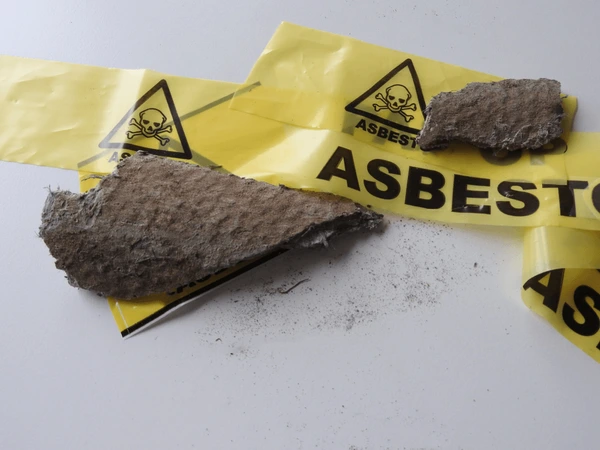
Asbestos Myths That Really Need to Stop
Despite asbestos being banned in the UK in 1999, misconceptions about it are still widespread. These asbestos myths can lead to complacency, poor decision-making and, ultimately, unnecessary exposure risks.
At SAMS LTD, we regularly deliver asbestos awareness training and provide asbestos consultancy support to organisations across the UK. One thing we’ve learned? Many of the biggest risks stem not from asbestos itself — but from misunderstanding it.
Here are some of the most common asbestos myths that really need to stop.
Myth 1: “Asbestos Was Banned — So It’s Not a Problem Anymore”
This is one of the most dangerous misconceptions.
While asbestos use was prohibited in 1999, it remains present in thousands of buildings constructed or refurbished before 2000. Schools, offices, factories, warehouses and residential properties may still contain asbestos-containing materials (ACMs).
Asbestos only becomes dangerous when disturbed and fibres are released. That means routine maintenance, refurbishment or installation work can pose a risk if materials are not properly identified and managed.
This is exactly why training asbestos awareness remains legally required under the Control of Asbestos Regulations 2012.
Myth 2: “You Can Tell If Something Contains Asbestos Just by Looking at It”
Unfortunately, asbestos doesn’t come with a warning label.
It was used in insulation boards, ceiling tiles, textured coatings, pipe lagging, cement products and many other building materials. Many ACMs look no different to modern alternatives.
Assuming something is safe because it “doesn’t look old” or “looks harmless” is a mistake.
A structured asbestos awareness training course teaches workers how to identify typical locations, understand risk indicators and follow safe procedures when suspect materials are encountered.
If in doubt, stop work and seek professional advice — don’t guess.
Myth 3: “Asbestos Is Only a Risk in Heavy Industry”
While asbestos was heavily used in shipbuilding and manufacturing, it is just as likely to be found in offices, retail units, schools and residential buildings.
Anyone working in older premises — including electricians, plumbers, decorators, IT installers, maintenance teams and facilities managers — could disturb asbestos without realising it.
This is why asbestos awareness training courses are relevant across multiple sectors, not just construction.
Online asbestos training and asbestos training classes ensure workers across industries understand their responsibilities.
Myth 4: “Asbestos Is Only Dangerous If You Work With It Directly”
Exposure doesn’t require intentional handling.
Drilling into a wall, removing ceiling tiles or accessing service ducts can all disturb asbestos if materials haven’t been properly assessed.
Asbestos worker training at awareness level focuses on prevention — recognising risk before disturbance occurs.
The aim of an asbestos awareness training course online is not to teach removal, but to teach avoidance and reporting.
Myth 5: “If It’s Been There for Years, It Must Be Safe”
Undamaged asbestos in good condition and properly managed may not pose immediate risk. However, deterioration, vibration, accidental impact or refurbishment work can change that quickly.
That’s why effective asbestos management in buildings is critical.
Duty holders must maintain accurate asbestos registers, conduct risk assessments and review management plans regularly. An asbestos management course or duty to manage asbestos course helps managers understand these ongoing responsibilities.
Managing asbestos is not a one-off action — it is a continuous legal duty.
Myth 6: “Small Businesses Don’t Need Formal Asbestos Management”
The Control of Asbestos Regulations apply regardless of company size.
If you are responsible for non-domestic premises — whether as an owner, tenant or facilities manager — you have a legal duty to manage asbestos.
Asbestos management training courses and asbestos managers courses help ensure compliance with these obligations.
Even smaller organisations benefit from structured asbestos management plans supported by professional consultancy.
Myth 7: “Online Training Isn’t as Good as Classroom Training”
Modern asbestos training online is designed to meet the same legal requirements as classroom-based courses.
UKATA-approved asbestos awareness training online ensures consistent, high-quality delivery aligned with Regulation 10 of the Control of Asbestos Regulations 2012.
For organisations requiring flexibility, asbestos online training provides an efficient and compliant option. For those who prefer in-person delivery, asbestos training classes remain available.
Both formats aim to achieve the same goal: reducing accidental exposure through awareness and understanding.
Myth 8: “Asbestos Management Is Just Paperwork”
Documentation is important but asbestos management is about far more than paperwork.
It involves:
-
Identifying and recording ACMs
-
Assessing risk levels
-
Communicating information to contractors
-
Monitoring condition over time
-
Reviewing control measures
An asbestos management in buildings course or managing asbestos course equips responsible persons with the knowledge to implement practical and effective systems — not just create files.
Why Dispelling Asbestos Myths Matters
Asbestos-related diseases can take decades to develop after exposure, which makes prevention absolutely critical. Conditions such as mesothelioma, asbestosis and asbestos-related lung cancer often do not present symptoms until 20 to 40 years later. By the time illness is diagnosed, it is frequently too late for effective treatment. There is no known safe level of asbestos fibre inhalation, which is why even minor, avoidable exposure must be taken seriously.
Misunderstanding asbestos significantly increases risk. When individuals assume a material is safe without proper verification, they may unintentionally disturb asbestos-containing materials during routine maintenance or refurbishment work. A lack of awareness can also result in legal non-compliance, particularly where employers fail to meet their obligations under the Control of Asbestos Regulations 2012. This can lead to enforcement action from the Health and Safety Executive, including improvement notices, substantial fines or prosecution.
Beyond regulatory consequences, the long-term health implications for employees and contractors can be devastating. In addition, organisations may suffer reputational damage if asbestos is mishandled or if exposure incidents occur due to inadequate training or management systems. For these reasons, replacing outdated myths with accurate, practical knowledge is essential. Clear, compliant asbestos training courses provide the understanding needed to challenge misconceptions, promote safe working practices and ensure that asbestos risks are managed responsibly and legally.
How SAMS LTD Can Support You
At SAMS LTD, we provide a comprehensive range of asbestos awareness training and asbestos management solutions designed to support organisations of all sizes. As a UKATA approved training provider, we deliver recognised asbestos awareness training that meets regulatory requirements and industry standards. Our asbestos awareness training online options, available through both live tutor-led sessions and structured e-learning formats, allow organisations to train staff efficiently while maintaining compliance.
For those who prefer face-to-face learning, we also offer classroom asbestos training classes, providing an interactive environment where learners can explore real-world scenarios and ask questions relevant to their specific workplace. In addition, we provide asbestos training for managers and supervisors who hold greater responsibility for site safety and compliance. These programmes help individuals understand their legal duties, improve oversight of asbestos risks and strengthen overall management systems.
Our asbestos management courses and duty to manage asbestos course options are designed specifically for duty holders, facilities managers and those responsible for asbestos management in buildings. These courses support organisations in developing, reviewing and implementing effective asbestos management plans that go beyond paperwork and translate into practical control measures.
Alongside training, we also offer professional asbestos consultancy services. This allows businesses to combine structured asbestos training courses with expert guidance tailored to their premises and operational needs. Whether you require a straightforward asbestos awareness training course online for your workforce or a comprehensive asbestos management training programme supported by consultancy, SAMS LTD can provide a solution aligned with your compliance obligations and business objectives.
Don’t Let Myths Drive Risk
Asbestos isn’t something to panic about — but it is something to manage properly.
Replacing myths with informed action protects your workforce, your organisation and your legal standing.
To find out more about our asbestos awareness training or consultancy services, contact SAMS LTD today and ensure your approach to asbestos is based on facts — not fiction.