
The Glasgow Union Street Fire: What Happened and Why Fire Risk Assessments Matter
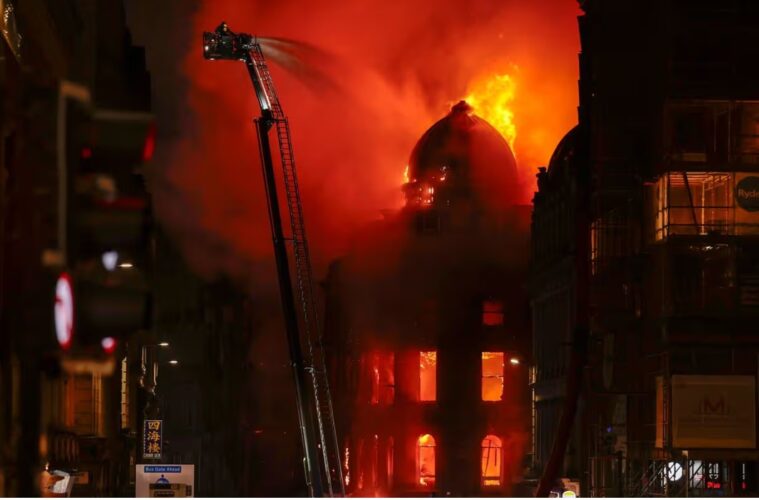
In early March 2026, a large fire in Glasgow city centre captured national attention and raised serious concerns about fire safety in older urban buildings.
The blaze occurred on Union Street, directly next to Glasgow Central Station, one of the busiest railway stations in the UK.
Within hours, the incident had caused widespread disruption to transport, forced nearby businesses to close and destroyed a historic building that had stood for more than a century.
While the incident thankfully resulted in no fatalities, it serves as a powerful reminder of how quickly fires can escalate and how devastating the consequences can be for businesses, infrastructure and local communities.
Events like this highlight the importance of proper fire safety management and the role that professional fire risk assessments play in preventing incidents or reducing their impact. By identifying hazards, evaluating risks and implementing effective control measures, businesses can significantly improve safety and compliance.
Understanding what happened in Glasgow, the impact it has had on the surrounding area and what lessons can be learned provides valuable insight into why proactive fire safety planning is essential.
What Happened in the Glasgow Union Street Fire?
The fire broke out on Sunday evening, 8 March 2026, in a building on Union Street in the centre of Glasgow. The property housed a number of small businesses, including a vape shop where the blaze is believed to have originated.
Shortly before the fire was reported, witnesses described hearing loud bangs or small explosions from inside the premises. It has been suggested that lithium-ion batteries stored within the shop may have contributed to the intensity of the fire, although investigations into the precise cause remain ongoing.
Lithium-ion batteries are widely used in electronic devices, including vaping products, and can present a significant fire risk if damaged, incorrectly stored or exposed to heat. When such batteries ignite, the resulting fires can burn extremely hot and spread quickly, particularly in buildings containing combustible materials.
As flames spread rapidly through the building, emergency services were called to the scene. The Scottish Fire and Rescue Service deployed more than 200 firefighters and multiple fire appliances in an effort to contain the blaze and prevent it from spreading to nearby structures.
The building itself dated back to the mid-19th century, having originally been constructed in 1851. Like many historic buildings, its structure and materials made the fire particularly challenging to control. Despite the efforts of firefighters, the building suffered severe structural damage and partially collapsed during the incident.
Fire crews remained on site for many hours as they worked to extinguish remaining hotspots and stabilise the structure.
The Immediate Aftermath
The immediate consequences of the fire were significant and affected far more than the building where the blaze started.
Because the fire occurred directly beside Glasgow Central Station, authorities were forced to close the station for safety reasons while emergency services responded to the incident. As Scotland’s busiest railway station, this closure had a ripple effect across the entire rail network, leading to cancelled and diverted trains and affecting thousands of passengers.
Union Street itself was closed off while firefighters worked to control the blaze and ensure the surrounding area was safe. Road closures and safety cordons created further disruption throughout Glasgow city centre.
For the small businesses located within the building, the impact was devastating. Several companies lost their premises entirely, along with equipment, stock and years of hard work invested in their businesses. Owners and employees were left facing significant financial and emotional challenges as they began the process of recovery.
Even after the fire was extinguished, the aftermath continued to cause disruption. Structural instability meant that sections of the building had to remain cordoned off while engineers assessed the safety of the remaining structure.
Recovery and rebuilding efforts are expected to take considerable time.
The Wider Impact on Local Communities and Businesses
Large urban fires rarely affect just one building. Their impact often spreads across the surrounding area, influencing transport, local economies and community wellbeing.
The temporary closure of Glasgow Central Station disrupted travel for thousands of commuters, tourists and business travellers. For many people, the station is a key transport hub connecting Glasgow with other major cities across Scotland and the UK. Even a short closure can lead to significant delays, missed connections and economic impact.
Local businesses in the surrounding streets also experienced disruption. Road closures, safety restrictions and reduced footfall meant that many shops, cafés and offices saw a sudden drop in customers. Some were forced to close temporarily while emergency services and investigators worked in the area.
Historic buildings are a major part of Glasgow’s identity and architectural heritage. The destruction of such a structure represents not only an economic loss but also a cultural one. Buildings that have stood for more than a century often form an important part of a city’s history and character.
When incidents like this occur, the loss is felt not only by business owners but also by the wider community.
Why Fires Spread So Quickly in Older Buildings
Older buildings can present unique fire safety challenges that are not always immediately obvious.
Many historic buildings were constructed before modern fire safety standards existed. As a result, they may lack features that are now considered essential, such as effective fire compartmentation, modern fire detection systems and fire-resistant construction materials.
In older structures, hidden voids within walls and ceilings can allow fire and smoke to spread rapidly between floors. Timber structures, decorative panelling and older insulation materials can also contribute to the speed at which a fire develops.
Another challenge arises when older buildings are adapted for modern commercial use. A single building may contain multiple businesses operating across several floors, each with their own equipment, storage needs and potential ignition sources.
Electrical equipment, heating systems, flammable products and modern energy storage devices such as lithium batteries can introduce additional hazards that were never considered when the building was originally designed.
Without careful fire safety planning and regular fire risk assessments, these risks can combine to create conditions where fires spread quickly and are difficult to control.
Could the Incident Have Been Prevented?
Investigations into the precise cause of the Glasgow fire are still ongoing, and it may take time before definitive conclusions are reached.
However, incidents like this highlight the importance of proactive fire safety management. Many fires occur because hazards are not identified or properly controlled before they escalate.
A thorough fire risk assessment helps organisations identify potential ignition sources, assess combustible materials and evaluate how fire might spread through a building. It also considers how occupants would evacuate safely if a fire were to occur.
In situations where businesses store potentially hazardous items such as lithium batteries or electrical equipment, risk assessments can highlight the need for additional safety measures. These may include improved storage practices, specialised fire suppression systems or enhanced staff training.
Regular fire risk assessment reviews are particularly important in busy commercial buildings where multiple businesses operate and where layouts or activities may change over time.
Although no system can eliminate all risk, proactive fire safety management significantly reduces the likelihood of incidents and improves the ability to respond effectively if a fire does occur.
The Importance of Professional Fire Risk Assessments
Under the Regulatory Reform (Fire Safety) Order 2005, the responsible person for a premises has a legal duty to carry out a suitable and sufficient fire risk assessment.
This assessment must identify potential fire hazards, evaluate the risks posed to employees and visitors and implement appropriate control measures.
A professional fire risk assessment typically examines factors such as:
- Potential ignition sources such as electrical equipment, heating systems or open flames
- The presence of combustible materials within the building
- The layout of the premises and the effectiveness of escape routes
- Fire detection and alarm systems
- Emergency lighting and signage
- Staff training and evacuation procedures
The result is a detailed fire risk assessment report outlining any hazards identified and recommending practical steps to improve fire safety.
For businesses operating in complex environments such as historic buildings, professional fire risk assessment services can provide valuable expertise in identifying risks that may otherwise be overlooked.
Fire Risk Assessments with SAMS LTD
At SAMS LTD, we provide comprehensive fire risk assessment services designed to help organisations maintain safe and compliant premises.
Our experienced assessors carry out detailed inspections of your building, identifying potential hazards and evaluating the effectiveness of existing fire safety measures. Every assessment considers the specific activities, layout and occupancy of the premises to ensure that recommendations are practical and relevant.
Following the inspection, we provide a clear and structured fire risk assessment report outlining any areas of concern and offering guidance on how risks can be reduced.
Our services support a wide range of organisations, including offices, retail premises, hospitality venues, industrial sites and historic properties.
By working with professional fire risk assessment providers, businesses can ensure they meet legal requirements while protecting employees, customers and neighbouring properties.
You can learn more about our fire risk assessment services here
Learning from Incidents Like the Glasgow Fire
The Glasgow Union Street fire demonstrates how quickly a localised incident can escalate into a major disruption affecting an entire city centre.
For businesses and building owners, it is a reminder that fire safety must always remain a priority. Regular fire risk assessments, clear emergency procedures and proactive hazard management are essential components of responsible building management.
By identifying potential risks early and implementing effective control measures, organisations can significantly reduce the likelihood of fires and protect the people who rely on their premises every day.
If you would like to ensure your premises remain safe, compliant and prepared for potential fire risks, contact SAMS LTD to arrange a professional fire risk assessment.