
The Importance of Managing Temporary Structures at Events
Temporary structures are an essential part of many modern events.
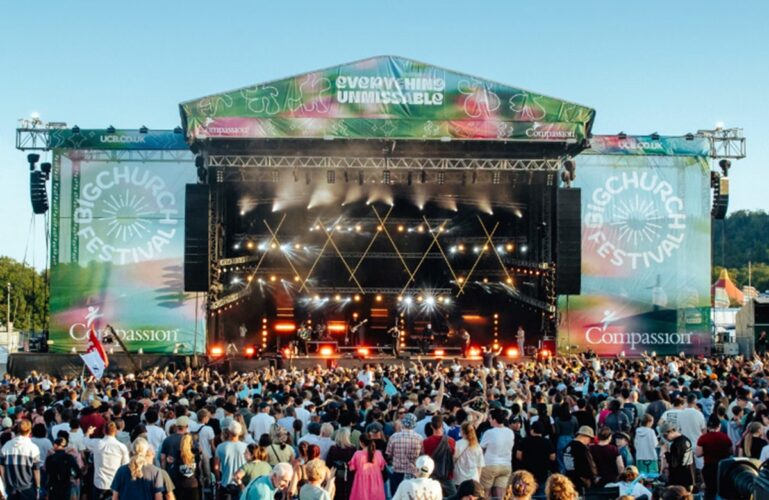
From marquees and stages to grandstands, viewing platforms, exhibition stands and temporary hospitality areas, they allow organisers to transform outdoor spaces and venues into environments capable of accommodating hundreds or even thousands of visitors.
However, the temporary nature of these structures should never lead to temporary thinking about safety.
The importance of managing temporary event structures has once again been brought into sharp focus following the death of a man at a festival, an incident subsequently reported by the BBC under the headline “Church leads tributes for man killed at festival”.
While the circumstances and any investigation into an individual incident should not be pre-judged, a fatality at any public event is a sobering reminder of the responsibilities associated with organising events and managing temporary infrastructure.
For event organisers, contractors and venue operators, effective management of temporary structures needs to form an integral part of the overall event health and safety plan, alongside crowd management, emergency procedures, fire safety, contractor management and other significant risks.
At SAMS LTD, we provide professional Event Health & Safety support for organisers across Kent and beyond. Our role is to help organisers identify foreseeable risks, develop proportionate precautions and ensure that health and safety at events is considered from the earliest planning stages through to the event itself.
What Are Temporary Structures?
Temporary structures can take many different forms depending on the type, location, duration and scale of an event.
They can include marquees and large tents, stages and performance structures, temporary seating and grandstands, viewing platforms, exhibition and trade stands, hospitality structures, temporary walkways, covered areas, site offices, welfare facilities, barriers and other temporary event infrastructure.
Although these installations may only remain in place for a matter of hours, days or weeks, during that period they can be subjected to substantial loads and demands.
A temporary stage, for example, might support performers, production teams, lighting equipment, speakers and other technical equipment. A grandstand could accommodate hundreds of spectators. A marquee may contain catering equipment, furniture, temporary electrical installations and large numbers of visitors.
Structures can also be exposed to wind, rain, heat and rapidly changing weather conditions.
Consequently, a thorough event health and safety checklist needs to consider much more than whether a temporary structure appears stable when initially erected. Its intended use, capacity, location, installation, surrounding activities and changing conditions all need consideration.
Why Is Temporary Structure Management So Important?
The fact that a structure is temporary doesn’t reduce the potential consequences if something goes wrong.
Poor design, unsuitable installation, inadequate anchoring, structural damage, overloading or inappropriate alterations can create significant risks for members of the public, employees, contractors, performers and volunteers.
Temporary structures can also interact with other event hazards.
A stage isn’t simply a platform. It may incorporate temporary electrics, lighting rigs, sound equipment and access arrangements while being surrounded by performers, production staff and potentially thousands of spectators.
Similarly, a marquee could contain catering facilities, heaters, electrical equipment, combustible furnishings and hundreds of guests. Entrances and exits may also form part of crowd movement and emergency evacuation arrangements.
This interconnected nature of event risks is why SAMS believes temporary structures should be incorporated into the wider health and safety plan for events, rather than assessed entirely in isolation.
Effective health and safety in event management means looking at the complete picture and considering how individual hazards could interact with one another.
Planning Should Start Before the Event
Good event health and safety begins long before the gates open.
Temporary structure management should therefore form part of the earliest stages of event planning.
Organisers need to consider what structures will be required, where they will be positioned, how they will be used, how many people they are expected to accommodate and how they interact with other parts of the site.
The proposed location can be particularly important. Ground conditions need to be suitable, access may be required for installation vehicles and emergency routes must remain available.
The event layout should also consider how visitors will move around temporary structures and whether queues, gathering points or pedestrian routes could create congestion.
Weather needs to be incorporated into the planning process too.
For outdoor health and safety events, organisers should consider what conditions temporary structures are designed to withstand and establish procedures for monitoring forecasts and actual site conditions.
These considerations should then be incorporated into the overall event health and safety plan, alongside risk assessments, emergency procedures and relevant contractor documentation.
Planning early provides time to address problems properly rather than discovering them hours before the public arrives.
Installation and Competence Matter
Even an appropriately designed temporary structure can become dangerous if it’s installed incorrectly.
Temporary structures should therefore be designed, supplied, erected and dismantled by appropriately competent organisations and individuals.
Installation should follow the relevant design specifications, manufacturer’s instructions and agreed methods. Where appropriate, checks should then confirm that the completed installation reflects what was originally specified.
Organisers also need to establish exactly who is responsible for what.
Modern events frequently involve venues, event organisers, production companies and numerous specialist contractors. Without clearly defined responsibilities, it’s possible for each organisation to assume that somebody else is dealing with an important safety issue.
Effective event health & safety requires responsibilities to be established and communicated.
Who approves the structure for use? Who carries out inspections? Who monitors changing conditions? Who can restrict access? Who has the authority to stop an activity?
These questions are far easier to answer during planning than during an emergency.
Inspection Before the Event Opens
One of the most important stages of temporary structure management is ensuring that installations are suitable before they’re put into use.
A structure shouldn’t automatically be considered safe simply because construction has finished.
Appropriate pre-opening inspections should identify potential issues such as damage to structural components, incomplete installation, anchoring or stability concerns, unsafe access and egress, unauthorised changes, interactions with neighbouring infrastructure, weather-related concerns, fire safety issues, obstructions and trip hazards.
The findings should be recorded where appropriate, and any significant defects should be addressed before the structure is opened to visitors.
Pre-opening inspections can also form part of a broader event health and safety checklist, giving organisers an opportunity to assess how individual elements of the site work together once installation is complete.
An issue that’s difficult to visualise on an event plan can become immediately obvious during a physical site inspection.
Don’t Forget About Changes During the Event
Temporary structure management doesn’t finish when the public arrives.
Events are dynamic environments.
Equipment gets moved. Contractors make alterations. Weather changes. Visitor numbers fluctuate. Temporary cables or equipment may be introduced. Furniture layouts change and access routes can become obstructed.
Any of these developments could affect the assumptions made during the original risk assessment.
Ongoing monitoring is therefore an important element of health and safety at an event.
Event staff should understand how to report defects, damage or concerns and know who needs to be informed. There should also be a clear decision-making structure so that appropriate action can be taken quickly.
If circumstances change significantly, organisers should be prepared to reassess the risk rather than continuing simply because the structure was considered acceptable when the event opened.
Weather Planning Is Critical
Weather is one of the most significant variables associated with outdoor events.
Strong winds can place substantial loads on temporary structures and equipment, while prolonged or heavy rainfall can change ground conditions and potentially affect anchoring, pedestrian routes and vehicle access.
Hot weather can introduce different considerations, particularly where large crowds are gathering in enclosed or covered spaces.
Weather planning shouldn’t therefore amount to checking a mobile phone forecast on the morning of the event.
A suitable event health and safety plan should establish how weather information will be monitored, who is responsible for monitoring it and what actions will be taken when predetermined conditions or other warning signs are reached.
Depending on the circumstances, preventative action could include securing loose equipment, restricting access, altering activities, changing layouts or suspending the use of a structure.
For larger outdoor health and safety events UK organisers should also consider how weather-related decisions will be communicated to contractors, security teams, performers, employees and the public.
The important point is that these decisions are considered before they’re urgently needed.
Temporary Structures and Crowd Safety
Temporary structures and crowd management cannot be considered independently.
Where large numbers of people gather, the positioning and use of temporary infrastructure can significantly influence crowd movement.
Organisers need to consider how visitors approach, enter, occupy and leave structures. They should also consider what happens when large numbers of people attempt to do those things simultaneously.
Queues can develop around entrances. Pedestrian routes can become restricted. Barriers can alter crowd flows and poorly positioned structures can create bottlenecks.
Emergency arrangements add another dimension.
If an evacuation becomes necessary, can everyone leave safely? Are emergency exits clearly identifiable and usable? Do temporary structures interfere with emergency vehicle access? Could queues or neighbouring activities compromise escape routes?
These considerations demonstrate why effective health and safety for events requires a coordinated approach.
At larger festivals, concerts and public gatherings, temporary structures should be integrated into crowd management and emergency planning from the beginning.
Communication Between Contractors Is Essential
Large events can involve dozens of separate contractors and suppliers working simultaneously.
Production teams, structural contractors, electricians, caterers, security personnel, medical providers, entertainers and event staff may all carry out different activities within the same relatively small area.
Their work can overlap.
An electrical contractor may need access to a temporary stage. Production crews may add equipment after the structure has been erected. Caterers may introduce appliances into a marquee. Security teams may install barriers that alter pedestrian routes.
Good communication is therefore fundamental to health and safety in events.
Everyone should understand their responsibilities, relevant control measures and procedures for reporting concerns.
Contractors also need to be informed when changes made by one organisation could affect another.
Professional event health and safety consultants can help organisers coordinate these different responsibilities and provide an independent perspective when multiple organisations are involved.
Documentation and Risk Assessments
Effective event safety requires appropriate documentation, but paperwork should always have a practical purpose.
Temporary structures should be incorporated into the wider event health and safety policy, risk assessment process and event safety documentation.
Depending on the nature of the structure and event, documentation may include design information, structural calculations or specifications, contractor information, risk assessments, method statements, inspection records, sign-off documentation and emergency procedures.
The event health and safety plan should bring relevant information together so that organisers and those responsible for safety understand how risks are being controlled.
Documents shouldn’t simply be collected because somebody believes they might be needed.
Risk assessments should influence decisions. Method statements should reflect how work will actually be undertaken. Inspection records should demonstrate meaningful checks, and emergency arrangements should be understood by the people expected to implement them.
At SAMS LTD, our experience in Event Health & Safety includes helping organisers develop safety plans, undertake risk assessments, participate in planning meetings and provide on-site support.
The Importance of Professional Event Safety Support
Managing temporary structures can become complex very quickly, particularly for festivals, concerts, sporting events and other large public gatherings.
The tragic death recently reported in connection with a festival provides a sombre reminder that event environments can involve serious hazards. Any specific incident needs to be considered according to the established facts and findings of the relevant investigation, rather than used to draw premature conclusions. However, every serious event incident should encourage the wider industry to examine its own arrangements and ask whether foreseeable risks are being appropriately managed.
Professional event health and safety consultants can provide organisers with an independent perspective and help identify issues that might otherwise be overlooked.
At SAMS, we’ve been providing professional health and safety advice since 1999 and have experience supporting everything from local community events and parades to festivals attracting up to 25,000 attendees.
Our Event Health & Safety services can support organisers during the planning stages, liaise with relevant stakeholders and provide on-site assistance where required.
This can include reviewing risk assessments and method statements, developing the health and safety plan for events, attending Safety Advisory Group meetings where appropriate, carrying out site inspections and supporting event organisers while an event is taking place.
Our approach to health and safety event management is practical and collaborative.
The objective isn’t to prevent an event from being exciting, enjoyable or ambitious. Good event safety should enable an event to happen successfully by ensuring foreseeable risks have been identified and proportionate precautions put in place.
Temporary structures are an important and often unavoidable part of the modern events industry, but their temporary nature should never mean their safety is treated as an afterthought.
From initial planning and design through to installation, inspection, operation and eventual dismantling, every stage requires appropriate consideration.
The consequences of failures at events can be devastating for individuals, families and communities. Serious incidents also demonstrate why event health and safety needs to be embedded into event planning rather than treated as paperwork to be completed shortly before opening.
Organisers should ensure temporary structures are appropriate for their intended use, installed by competent people, inspected before use and monitored throughout the event. They should consider weather, crowd movement, emergency arrangements and interactions with other contractors and activities.
Most importantly, temporary structures should form part of the overall event health and safety plan.
At SAMS LTD, we understand that successful events depend upon good preparation, clear responsibilities, effective communication and proportionate risk management.
With decades of experience in health and safety at events, we help organisers identify potential hazards, develop practical safety arrangements and manage the challenges associated with temporary infrastructure and large public gatherings.
Whether you’re organising a village fete, community celebration, sporting event, concert or major festival, professional safety support can help you approach your responsibilities with greater confidence.
Planning an event with temporary structures? Speak to the SAMS team about your Event Health & Safety requirements and find out how our experienced consultants can support your event from initial planning through to the day itself.